
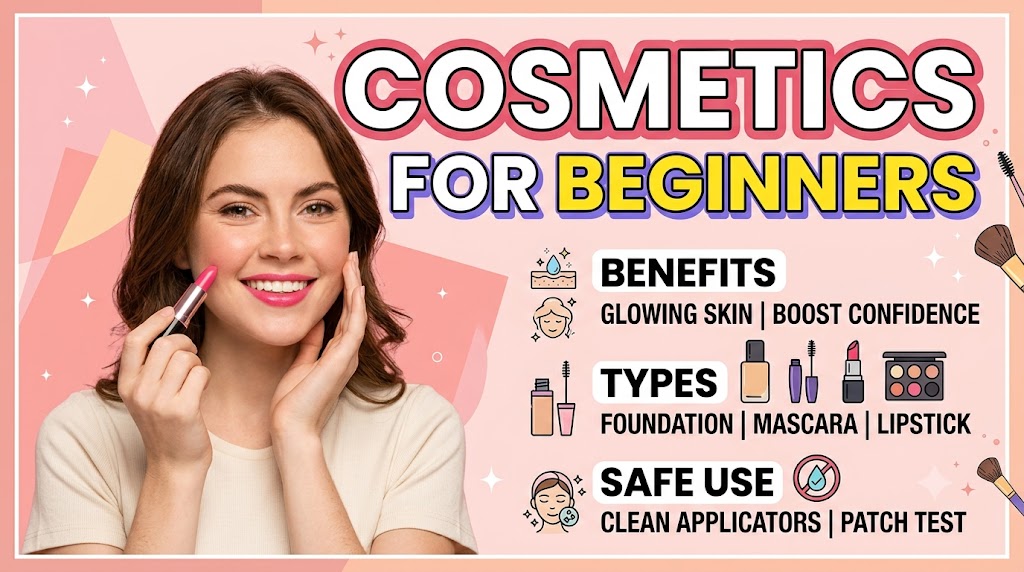
Starting your cosmetics journey can feel overwhelming, but with the right knowledge, it becomes an empowering routine that enhances your natural beauty while keeping your skin healthy. This comprehensive guide walks you through everything a beginner needs to know—from understanding what cosmetics actually do for your skin to choosing the best products for dry or sensitive skin types, and using them safely every day.
What is the purpose of cosmetics?
Cosmetics serve far more purposes than just making you look good—they play functional, protective, and emotional roles in daily self-care.
Functional and health-related purposes
At their core, cosmetics are substances or mixtures intended for contact with external parts of the human body (skin, hair, nails, lips, teeth, and mouth mucosa) to cleanse, protect, perfume, or improve appearance. Skincare cosmetics specifically aim to:
- Cleanse the skin by removing dirt, oil, and pollutants
- Preserve the skin’s moisture balance and prevent dryness
- Protect against harmful ultraviolet (UV) radiation through sunscreens and SPF products
- Stimulate skin metabolism and support barrier function
- Provide antioxidant benefits to combat environmental damage
Modern skincare products go further by targeting specific concerns like acne, fine lines, hyperpigmentation, and dullness through active ingredients such as hyaluronic acid, ceramides, niacinamide, and peptides.
Emotional and psychological benefits
Beyond physical effects, cosmetics boost confidence, enhance wellbeing, and support self-expression. Europe’s 500 million consumers, for example, use cosmetics not only to protect their health but also to enhance their emotional state and self-esteem. For beginners, this means your first cosmetic purchases should align with how you want to feel—whether that’s fresh and natural, polished and professional, or bold and creative.
Everyday grooming and hygiene
Cosmetics also include everyday grooming aids like soap, shampoo, deodorant, toothpaste, and shaving cream—products that maintain personal hygiene while keeping you feeling clean and confident. Understanding this broader definition helps beginners see cosmetics as part of a holistic self-care routine rather than just makeup.
Types of cosmetics: A beginner’s overview
Before diving into product recommendations, it helps to know the main categories of cosmetics so you can build a routine that fits your needs.
Major cosmetic categories
Cosmetics fall into several key groups, each with distinct purposes:
- Skincare: Cleansers, moisturizers, serums, toners, masks, and treatments designed to improve skin texture, hydration, and barrier function
- Makeup: Foundation, concealer, blush, bronzer, eyeshadow, mascara, eyeliner, lipstick, and lip gloss used to enhance or alter facial features
- Hair care: Shampoos, conditioners, hair masks, serums, and styling products that cleanse, strengthen, and add shine to hair
- Fragrance: Perfumes, eau de toilette, body mists, and scented lotions that provide a pleasant aroma
- Sun protection: Sunscreens and SPF moisturizers that shield skin from UV damage
- Oral care: Toothpaste, mouthwash, and whitening strips for fresh breath and dental health
- Nail care: Nail polishes, cuticle oils, and strengtheners for colored or healthy nails
Beginner makeup essentials
If you’re new to makeup, start with a minimal kit that covers the basics without overwhelming your routine. A solid beginner makeup lineup includes:
- Primer: Creates a smooth base and helps makeup last longer
- Foundation or tinted moisturizer: Evens out skin tone; beginners often prefer lightweight formulas
- Concealer: Covers blemishes or under-eye circles
- Cream blush: Adds a natural flush; cream formulas blend easily for beginners
- Mascara: Opens up the eyes with minimal effort
- Brow gel or pencil: Defines eyebrows for a polished look
- Lipstick or lip gloss: Adds color and hydration to lips
- Setting spray or translucent powder: Locks makeup in place
Skincare basics for beginners
For skincare, focus on a simple three-step routine before adding extras:
- Cleanser: Removes impurities without stripping skin (cream or oil cleansers work well for dry skin
- Moisturizer: Hydrates and supports the skin barrier with ingredients like ceramides, glycerin, or hyaluronic acid
- Sunscreen: Protects against UV damage daily, even indoors
Once your skin is stable, you can introduce targeted treatments like serums or gentle exfoliants.
Which cosmetic brands offer the best skincare benefits for dry skin?
Dry skin needs extra hydration, barrier support, and gentle formulas that don’t strip natural oils. Fortunately, many brands—both drugstore and premium—specialize in products that deliver serious skincare benefits for dry skin types.
Top brands for dry skin
Here are some of the most recommended brands for dry skin, based on dermatologist input and consumer testing:
CeraVe: A dermatologist favorite known for ceramide-rich formulas that hydrate and restore the skin barrier. Their moisturizers and cleansers are budget-friendly and effective for dry, flaky skin.
- La Roche-Posay: A French pharmacy brand with thermal spring water-based products that soothe and hydrate sensitive, dry skin.
- Medik8, ZO, and Obagi: Professional-grade brands with dedicated dry skin lines that use gentle yet hydrating ingredients.
- Embryolisse: A cult-favorite French pharmacy moisturizer (Lait-Crème Concentré) that deeply hydrates dry skin and preps it for makeup.
- Neutrogena: Offers affordable, hydrating formulas with ingredients like hyaluronic acid and glycerin.
- The Ordinary: Budget-friendly serums and moisturizers with high concentrations of hydrating actives like hyaluronic acid and squalane.
Key ingredients to look for
When shopping for dry skin products, prioritize formulas with these barrier-supporting and hydrating ingredients:
- Ceramides: Rebuild the skin’s lipid matrix and prevent moisture loss
Hyaluronic acid: A humectant that draws water into the skin for plumpness
- Glycerin: Another humectant that hydrates gently
- Squalane and fatty acids: Emollients that soften and smooth dry skin
- Shea butter and plant oils: Rich occlusives that lock in moisture
- Peptides: Support skin renewal and hydration
Best drugstore options for dry skin
You don’t need to spend a fortune to care for dry skin—many drugstore brands offer excellent hydrating products under $25. Top picks include:
- CeraVe Moisturizing Cream: A thick, ceramide-rich cream that works for face and body
- Neutrogena Hydro Boost Gel-Cream: Hyaluronic acid-based hydration without heaviness
- The Lip Bar Just a Tint Skin Conditioner: A hydrating tinted moisturizer ideal for dry skin
- L’Oreal Paris Infallible Fresh Wear Foundation: A drugstore foundation with hydrating elements and a dewy finish
- Embryolisse Lait-Crème Concentré: A multi-use moisturizer and primer that hydrates dry, flaky skin
Routine tips for dry skin
To maximize skincare benefits for dry skin, follow these expert-recommended steps:
- Use a cream or oil cleanser instead of foaming formulas, which can strip oils
- Apply hydrating serums (like hyaluronic acid) to damp skin, then layer a rich moisturizer with ceramides
- Seal everything in at night with an occlusive like petrolatum or a thick balm
- Moisturize within 60 seconds of cleansing to lock in water
- Avoid mattifying products, clay masks, and high-concentration AHAs, which can worsen dryness
Good Cosmetics for Sensitive Skin
Sensitive skin requires extra care—formulas must be gentle, fragrance-free, and free of common irritants to avoid redness, stinging, or breakouts. The good news? Many brands now specialize in hypoallergenic, dermatologist-tested cosmetics that deliver results without irritation.
What makes cosmetics “good” for sensitive skin?
Cosmetics suitable for sensitive skin share these characteristics:
- Fragrance-free: Fragrance is the number one cause of cosmetic allergic reactions, so truly sensitive-skin-safe products avoid it entirely (not just “unscented,” which can contain masking fragrances)
- Short ingredient lists: Fewer ingredients mean fewer potential irritants
- Barrier-supporting ingredients: Ceramides, niacinamide, panthenol (vitamin B5), and centella calm and strengthen reactive skin
- Mineral-based pigments: Zinc oxide and titanium dioxide are generally well-tolerated, especially in sunscreens and foundations
- Dermatologist- or ophthalmologist-tested: Indicates extra safety testing for sensitive areas like eyes
Top hypoallergenic makeup brands for sensitive skin
Here are the most recommended hypoallergenic and sensitive-skin-safe makeup brands:
- Clinique: Every product is 100% fragrance-free and allergy-tested, making it a classic choice for sensitive skin.
- BareMinerals: Mineral-based makeup that’s noncomedogenic and free from harsh chemicals, dyes, and synthetic fragrances.
- Almay: A budget-friendly drugstore brand with hypoallergenic, fragrance-free formulas like the Healthy Glow foundation.
- Physicians Formula: Offers a wide range of hypoallergenic, fragrance-free makeup with natural ingredients like organic botanicals.
- Tower 28 Beauty: Formulated specifically for sensitive and eczema-prone skin; every product is hypoallergenic, fragrance-free, and dermatologist-tested.
- Jane Iredale: Specializes in mineral makeup that’s gentle on sensitive skin and free from irritants.
- La Roche-Posay and Avène: French pharmacy brands with dermatologist-recommended skincare and makeup formulated for sensitive skin, often using soothing thermal spring water.
- Tarte Cosmetics: Known for gentle, skin-safe formulas that avoid common irritants.
- VMV Hypoallergenics: Formulates products free of at least 76 known allergens, ideal for highly reactive skin.
Best drugstore cosmetics for sensitive skin
Sensitive skin doesn’t require luxury prices—many drugstore brands offer gentle, effective options:
- Almay Healthy Glow Foundation: Hypoallergenic, dermatologist-tested, and fragrance-free at an affordable price.
- Physicians Formula Butter Bronzer: A cult-favorite drugstore bronzer that’s gentle and hypoallergenic.
- Burt’s Bees: Formulated without parabens and sulfates, making it wonderful for sensitive skin.
- Neutrogena: Offers a variety of sensitive skin products, including fragrance-free cleansers and moisturizers.
- e.l.f. Cosmetics: Many products are fragrance-free and budget-friendly, though always check labels for your specific triggers.
Ingredients to avoid for sensitive skin
To prevent reactions, steer clear of these common irritants:
- Fragrance and essential oils: The top triggers for allergic contact dermatitis
- Formaldehyde and formaldehyde-releasing preservatives: Known allergens often hidden in “hypoallergenic” products
- Denatured alcohol, menthol, and witch hazel: Can cause stinging and dryness
- High-concentration actives: Strong AHAs, BHAs, or retinoids can overwhelm sensitive skin—start low and slow if you use them
- Physical exfoliants: Scrubs with beads or grains can cause micro-tears; opt for gentle chemical exfoliants like PHAs or mandelic acid instead
How to introduce new products safely
Even gentle products can cause reactions if introduced too quickly. Follow this barrier-first approach for sensitive skin:
- Start with a minimal routine: Gentle cleanser, ceramide moisturizer, and mineral sunscreen for 2–3 weeks until your skin is calm.
- Patch test everything: Apply a small amount to your inner arm or jawline and wait 24–48 hours to check for redness, bumps, or itching.
- Introduce one active at a time: Add only one new product every 2 weeks, starting with 2–3 nights per week.
- Track your skin’s response: Note any stinging, redness, or new breakouts—if you react, stop and return to your minimal routine.
- Prioritize comfort: Choose formulas that feel comfortable on first application without burning or lasting heat.
Safe use of cosmetics: Essential tips for beginners
Using cosmetics safely is just as important as choosing the right products. Follow these evidence-based guidelines to protect your skin and health:
Read labels and follow directions
Always read product labels carefully before use, noting ingredients, instructions, and warnings. Make sure the product doesn’t contain ingredients you’re allergic to, and follow all usage directions exactly.
Hygiene and contamination prevention
Cosmetics can harbor bacteria and cause infections if not handled properly:
- Wash your hands before applying any product
- Do not share makeup, especially products that touch mucous membranes (lipstick, eyeliner, mascara)
- Keep containers clean and tightly closed when not in use
- Clean brushes and tools regularly: Wash liquid-product brushes weekly and powder brushes monthly with gentle soap or brush cleanser.
- Do not add water or saliva to dilute makeup—this introduces germs
Storage and expiration
Improper storage and expired products can cause skin reactions:
- Protect cosmetics from temperature extremes and direct sunlight
- Throw away products if you notice changes in color, smell, or texture
- Do not use expired cosmetics: Expired products can cause irritation, infections, or reduced effectiveness.
- Use aerosols in well-ventilated areas and never near open flames or while smoking (fire hazard)
Eye safety
The eye area is especially sensitive—take extra precautions:
- Do not use cosmetics near your eyes unless they’re specifically indicated for ocular use
- Do not use lip products on eyes (and vice versa)
- Do not dye or tint your eyelashes: This can cause serious eye injuries
- Discard eye makeup if you develop an eye infection—it may be contaminated
Patch testing and allergen awareness
Even if you’ve never had allergies, patch testing is crucial for beginners:
- Apply a small amount of product to your inner forearm or behind your ear
- Leave it for 24–48 hours and watch for redness, bumps, rashes, or itching
- If no reaction occurs, the product is likely safe to use
Choosing certified and regulated products
To minimize risks, choose products with proper certifications and from reputable brands:
- Look for FDA-approved or certified products (in the US) or equivalent regulatory approvals in your country
- Avoid counterfeit or unregulated products, which may contain banned chemicals or unsafe preservatives
- Consider natural or organic options if you’re concerned about chemical residues, but still verify ingredient safety
Building your first cosmetics routine: A beginner’s checklist
Now that you understand the purpose, types, and safety of cosmetics, here’s a simple checklist to start your journey:
For skincare (dry or sensitive skin)
- AM: Gentle, fragrance-free cleanser (or just lukewarm water if very dry) + ceramide moisturizer + mineral sunscreen
- PM: Gentle cleanser + rich moisturizer with ceramides, hyaluronic acid, or squalane
- Optional: Hydrating serum (apply to damp skin before moisturizer)
For makeup (beginner-friendly)
- Primer (hydrating for dry skin, fragrance-free for sensitive skin)
- Lightweight foundation or tinted moisturizer
- Concealer for spot coverage
- Cream blush for a natural flush
- Mascara (hypoallergenic if sensitive)
- Brow gel or pencil
- Lipstick or gloss (fragrance-free if sensitive)
- Setting spray or translucent powder
Safety must-dos
- Patch test every new product
- Wash hands before application
- Never share makeup
- Clean brushes weekly
- Discard expired or changed products
- Introduce one product at a time
Final thoughts for beginners
Cosmetics are powerful tools for self-care, protection, and self-expression—but they work best when chosen thoughtfully and used safely. Whether you have dry skin that craves hydration or sensitive skin that needs gentle, fragrance-free formulas, there are countless brands and products designed to meet your needs without compromise. Start simple, prioritize your skin’s barrier, and build your routine gradually. With patience and the right products, you’ll develop a cosmetics routine that makes you feel confident, comfortable, and radiant every day.