
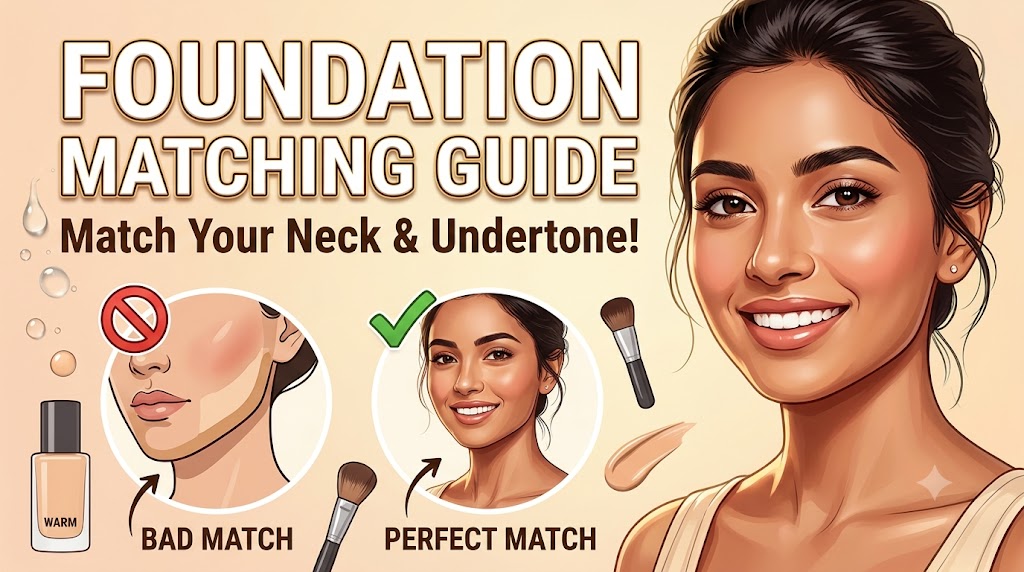
Getting your foundation to match your neck and undertone is the difference between “your skin but better” and a visible mask line at the jaw. The trick is to treat foundation matching as a two-step process: first depth (how light or dark), then undertone (the subtle hue beneath your skin), and to test on the jawline where your face meets your neck in natural light.
Below is a complete, SEO-friendly, human-readable guide built around your exact title and subheadings, with practical steps for Indian skin tones, everyday wear advice, and budget-friendly product directions.
How to Match Foundation to Your Neck and Undertone ?
Step 1: Know Your Undertone (Warm, Cool, Neutral, Olive)
Your undertone is the underlying color that doesn’t change with tanning or breakouts. For most Indian skin, undertones fall into:
- Warm: Golden, yellow, peachy hints. Jewelry test: gold looks better. Veins look greener.
- Cool: Pink, red, or bluish hints. Silver jewelry flatters more. Veins look blue/purple.
- Neutral: A mix of warm and cool; both gold and silver suit you.
- Olive: A greenish/gray cast over warm or neutral; common in many South Asian complexions. Often needs foundations that aren’t too orange or too pink.
Quick at-home checks:
- Look at the inside of your wrist in daylight: greenish = warm, bluish = cool, both/unclear = neutral.
- Hold a pure white T-shirt vs. off-white/cream near your face: if off-white makes you glow, you’re likely warm; if crisp white is better, you may be cool.
- Check your neck and chest, not just your face, since facial redness or pigmentation can mislead you.
Step 2: Pick the Right Depth (Fair, Light, Medium, Tan, Deep)
Depth is how light or dark your skin is overall. Indian complexions span from very fair to very deep, so don’t force yourself into “fair” or “wheatish” labels. Instead:
- Compare your jawline and upper chest in natural daylight.
- Choose 2–3 shades that look close to your skin, then test them.
Step 3: Swatch Correctly – Jawline to Neck, Not on Your Hand
The back of your hand is often a different tone than your face. For an accurate match:
- Start with clean, lightly prepped skin. Remove old makeup; apply your usual skincare and sunscreen.
- Stripe 2–3 candidate shades vertically from your lower cheek, across the jawline, and slightly onto the neck. Leave space between stripes so they don’t blend.
- Wait 5–10 minutes. Many foundations oxidize (darken slightly) as they dry and react with skin oils.
- Check in natural daylight. Go near a window or step outside. The right shade should “disappear” into both your face and neck without leaving a pink, orange, or gray stripe.
- Test wear for a few hours. See how it looks mid-day, especially if you’re prone to oiliness or live in humid cities like Delhi.
Step 4: Match to Your Neck (Not Just Your Face)
If your face is slightly darker or more pigmented than your neck (common with sun exposure, acne marks, or melasma), matching only to your face can create a demarcation line at the jaw. Instead:
- Aim for a shade that blends seamlessly from jaw to neck. This prevents the “floating head” effect in photos and real life.
- If your face and neck differ a lot, you can:
- Match primarily to your neck and upper chest, then lightly contour or bronzer the face for dimension.
- Or use two shades: one that matches your neck for most of the face, and a slightly deeper one only where your face is significantly darker.
Step 5: Fix Common Indian Skin Issues While Matching
- Hyperpigmentation / dark spots: Choose a shade that evens out your overall tone without looking ashy. Test on jaw + neck + chest to ensure it doesn’t turn gray on deeper areas.
- Oxidation (foundation turning orange/darker):
- Pick a formula known for minimal oxidation.
- Swatch and wait before deciding.
- If it always goes orange, try a slightly more neutral or less yellow shade, or mix with a tiny drop of a lighter/neutral foundation.
- Humidity and sweat (Delhi, Mumbai, etc.): Look for “long-wear,” “transfer-resistant,” or “humidity-resistant” claims, and set with a light powder in your T-zone.
Pro tip: If you’re between two shades, go with the one that vanishes on your neck in daylight, not the one that looks perfect only under store lights.
Which Indian Foundation Is Best?
“Best” depends on your skin type (oily, dry, combination, sensitive), finish preference (matte, satin, dewy), budget, and how much coverage you want. That said, some foundations consistently perform well for Indian skin tones and climates.
Strong All-Rounders for Indian Skin
These are frequently recommended by beauty editors, makeup artists, and users in India:
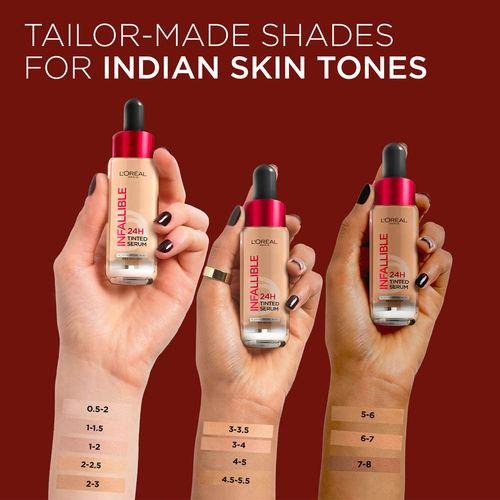
- L’Oréal Paris Infallible Tinted Serum Foundation Winner in Nykaa’s Best in Beauty Awards 2026 (Foundation category). Lightweight, skin-like finish, good for everyday wear and a range of Indian complexions.
Maybelline Super Stay Lumi-Matte / Matte Max Cushion
Praised for long wear, heat resistance, and shade range suitable for Indian tones. The cushion version is marketed as monsoon- and heat-proof, ideal for humid cities.
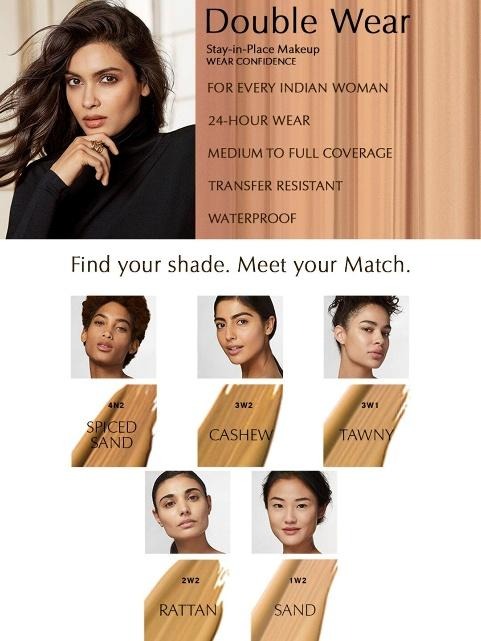
- Estée Lauder Double Wear A classic for oily and combination skin, especially in hot, humid weather. Transfer-proof, water-resistant, and available in many shades that suit medium to deep Indian skin.
Nykaa Cosmetics Foundations (e.g., Skinshield, All Day Matte, Superlight Skin Tint)
Formulated specifically for Indian skin tones, with shades from fair to deep. Often recommended for value and shade inclusivity.
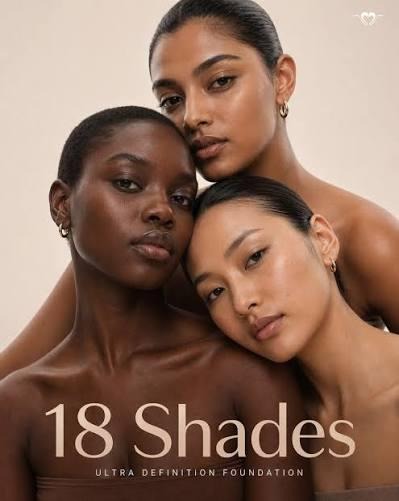
- Kay Beauty, SUGAR, Faces Canada, Forever52
Indian or India-focused brands with foundations designed around local skin tones and concerns (oil control, pollution, humidity).
How to Decide Which Is “Best” for You
Ask yourself:
- Skin type:
- Oily/combination: Look for matte or semi-matte, long-wear formulas (e.g., Double Wear, Maybelline Matte Max).
- Dry: Hydrating or serum/tinted moisturizer types (e.g., L’Oréal Tinted Serum, IT Cosmetics CC+ if available).
- Coverage:
- Light/natural: Tinted serums, skin tints, cushion foundations.
- Medium to full: Liquid foundations labeled “full coverage” or “long wear.”
- Budget:
- Drugstore: Maybelline, L’Oréal, Nykaa, SUGAR, Faces.
- Premium: Estée Lauder, MAC, Huda Beauty, Charlotte Tilbury, NARS.
There isn’t one single “best Indian foundation” for everyone, but the options above are reliable starting points depending on your needs.
Should I Use Foundation Everyday?
Wearing foundation every day doesn’t automatically ruin your skin, but how you use it, what you use, and how you remove it matter a lot.
When Daily Foundation Use Is Fine
Dermatology-backed guidance suggests:
- It’s generally safe to wear foundation daily if:
- You choose non-comedogenic (won’t clog pores), skin-friendly formulas.
- You cleanse thoroughly at night (double cleanse: oil-based cleanser + gentle water-based cleanser).
- You don’t over-apply thick layers; build coverage only where needed.
Foundation itself isn’t the enemy; leftover product, heavy formulas, and poor removal are what lead to clogged pores, breakouts, or irritation.
Potential Downsides of Everyday Use
- Clogged pores and breakouts: Especially if you skip proper cleansing or use heavy, occlusive formulas on acne-prone skin.
- Microbiome disruption: Residual makeup can feed harmful bacteria on the skin surface. Thorough cleansing is key.
- Barrier stress: Layering too many products (primer, foundation, powder, setting spray) daily without giving your skin breaks can irritate sensitive or compromised skin.
Smart Habits If You Wear Foundation Daily
- Prep your skin: Cleanse, moisturize, and apply sunscreen before foundation. A good base prevents product from clinging to dry patches and reduces the need for heavy layers.
- Use a primer if needed: It can smooth texture and act as an extra barrier between skin and makeup.
Double-cleanse at night:
- First: Oil-based cleanser or balm to dissolve makeup.
- Second: Gentle water-based cleanser to remove residue.
- Take foundation breaks: Give your skin 1–2 days a week without foundation to let it breathe and recover, especially if you’re prone to congestion or sensitivity.
- Patch-test new products: Apply a small amount on your jawline or behind your ear for 24–48 hours before full-face use.
Bottom line: You can use foundation every day if your skin tolerates it, but prioritize gentle formulas, proper removal, and occasional makeup-free days.
Affordable Long-Lasting Foundation for Indian Skin Tones
If you’re a student or on a budget, you don’t need luxury brands to get a long-lasting, skin-tone-friendly base. In India, there are many options under ₹1,000 that perform well in heat and humidity.
What to Look For in an Affordable, Long-Lasting Foundation
- Claims: “Long-wear,” “24h,” “transfer-resistant,” “humidity-resistant,” “matte” or “semi-matte.”
- Shade range: Brands that explicitly cater to Indian tones (fair to deep, with warm/neutral/cool options).
- Finish:
- Oily/combination: Matte or natural matte.
- Dry: Satin or hydrating matte (avoid overly drying formulas).
Budget-Friendly Options Popular in India
While specific product availability changes, these types of foundations are repeatedly highlighted as affordable and effective for Indian skin:
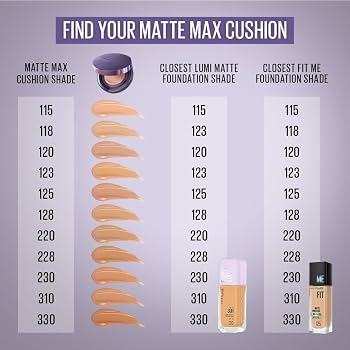
- Maybelline Fit Me / Lumi Matte / Super Stay Matte Max Cushion
- Widely available, multiple shades for Indian complexions.
- Known for decent longevity and heat resistance, especially the Matte Max cushion positioned for monsoon and humidity.
- L’Oréal Paris Infallible 24h Fresh Wear / Matte Foundation
- Long-wear formulas with good shade variety.
- Often recommended for oily to normal skin in hot climates.
Nykaa Cosmetics Foundations (All Day Matte, Skinshield, Matte To Last)
- Designed for Indian skin tones, with shades like “Hot Honey,” “Cashew,” “Light Beige,” etc.
- Frequently used by creators for everyday and long-day wear.
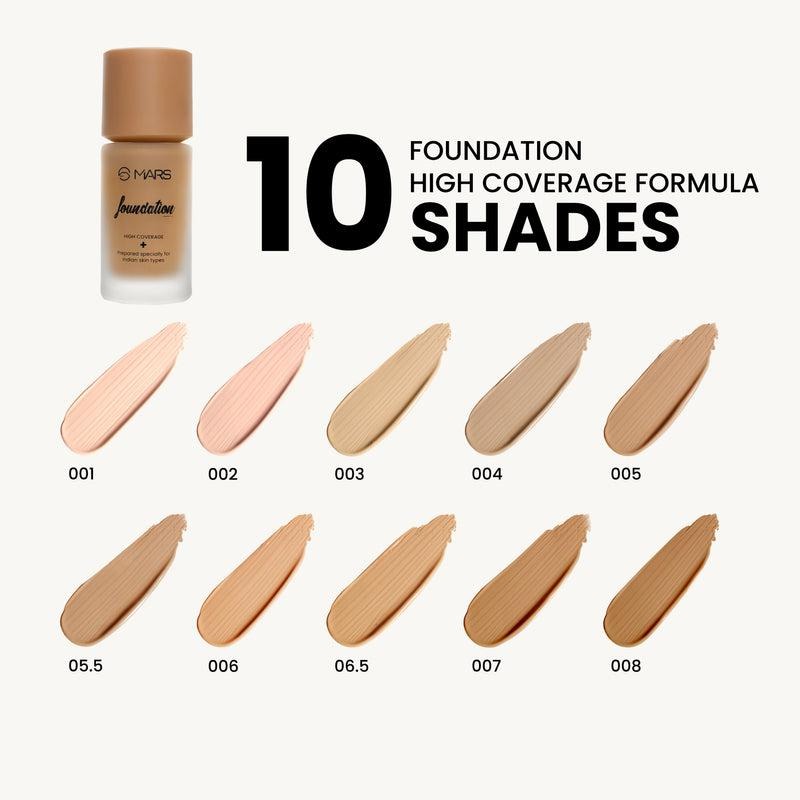
- MARS High Coverage Foundation
- Marketed with SPF and high coverage; seen in budget hauls and creator reviews as a good value option under ₹500–₹1,000.
- Color-changing / tone-adapting foundations (e.g., Pratham, Shekys, etc.)
- Claim to adjust to your skin tone; can be interesting for quick matching, but reviews suggest managing expectations—they’re not magic, but can work for light to medium coverage.
Tips to Make Affordable Foundations Last Longer
- Prep with a light moisturizer and sunscreen. Hydrated skin helps foundation sit better and reduces patchiness.
- Use a gripping primer if you’re oily or live in humid areas; it helps foundation adhere and resist sweat.
- Apply in thin layers and build only where needed; thick layers slide off faster.
- Set strategically: Lightly powder your T-zone or areas that get oily; avoid caking your entire face.
- Carry a compact or blotting papers for touch-ups instead of adding more foundation throughout the day.
For students in Delhi and similar climates, a matte or semi-matte, long-wear drugstore foundation plus good skincare will usually outperform a heavy, expensive formula applied poorly.
Which Cosmetics Brand Is Best in India?
Again, “best” depends on what you value: shade range, price, innovation, skincare benefits, or luxury experience. But based on awards, popularity, and creator reviews in 2025–2026, some brands consistently stand out in India.
Top Makeup Brands in India (Across Budgets)
Commonly listed among India’s top makeup brands:
- Lakmé
- Long-standing Indian brand with strong presence in foundations, lipsticks, and eye makeup.
- Good balance of price and performance; widely available offline and online.
- Maybelline New York
- Global drugstore giant with many India-friendly shades and long-wear formulas.
- Frequently recommended for foundation, concealer, and mascara.
- L’Oréal Paris
- Strong in both skincare and makeup; Infallible foundation line is award-winning in India.
- Nykaa Cosmetics
- Indian brand with extensive shade ranges tailored to local skin tones.
- Popular among Gen Z and millennials for value and trend-driven products.
- SUGAR Cosmetics
- Known for bold colors and foundations designed for Indian complexions.
- Often praised for pigmentation and modern packaging.
- Kay Beauty
- Founded with a focus on clean, India-centric formulations.
- Cushion foundations and hydrating formulas are frequently reviewed positively.
- Swiss Beauty, Colorbar, Forever52
- Budget-friendly brands with wide product ranges and frequent new launches.
- Good for experimenting with trends without spending too much.
- Premium/International: MAC, Huda Beauty, Estée Lauder, NARS, Charlotte Tilbury
- Higher price points but often superior shade ranges, finishes, and longevity.
- Ideal if you want luxury performance or very specific undertones.
How to Choose the “Best” Brand for You
Consider:
- Budget:
- Under ₹500–₹1,000: Maybelline, L’Oréal, Nykaa, SUGAR, Swiss Beauty, Forever52, MARS.
- Mid to premium: MAC, Estée Lauder, Huda, NARS, Charlotte Tilbury.
- Shade inclusivity: Brands like Nykaa, MAC, Huda, and Fenty (when available) are known for wider depth and undertone options.
- Skin concerns: If you’re acne-prone or sensitive, look for non-comedogenic, fragrance-light options from brands that clearly list ingredients (Kay, some Nykaa lines, dermatologist-recommended drugstore brands).
- Availability: If you rely on offline shopping, Lakmé, Maybelline, L’Oréal, and Nykaa have strong retail presence across Indian cities, including Delhi.
There’s no single “best cosmetics brand in India” for everyone. A smart approach is to mix: a reliable drugstore foundation (e.g., Maybelline/L’Oréal/Nykaa) with a few standout products from other brands based on your priorities (shade match, finish, budget).
Quick Checklist: Foundation Matching for Indian Skin
- Determine undertone (warm, cool, neutral, olive) using wrist veins, jewelry test, and white vs. off-white fabric.
- Pick 2–3 shades close to your jawline/neck depth.
- Swatch from cheek to neck, wait 5–10 minutes, and check in natural daylight.
- Choose the shade that disappears into both face and neck, not just your face.
- For daily wear, use non-comedogenic formulas, cleanse thoroughly, and take occasional foundation-free days.
- For affordable, long-lasting options, consider Maybelline, L’Oréal, Nykaa, MARS, and similar brands with heat- and humidity-resistant claims.
- Select brands based on your budget, shade needs, and skin concerns rather than hype alone.
If you share your current skin tone description (e.g., “light-medium with golden undertone, oily T-zone, live in Delhi”), I can suggest a tighter shortlist of shades and specific products that are likely to match your neck and undertone well.